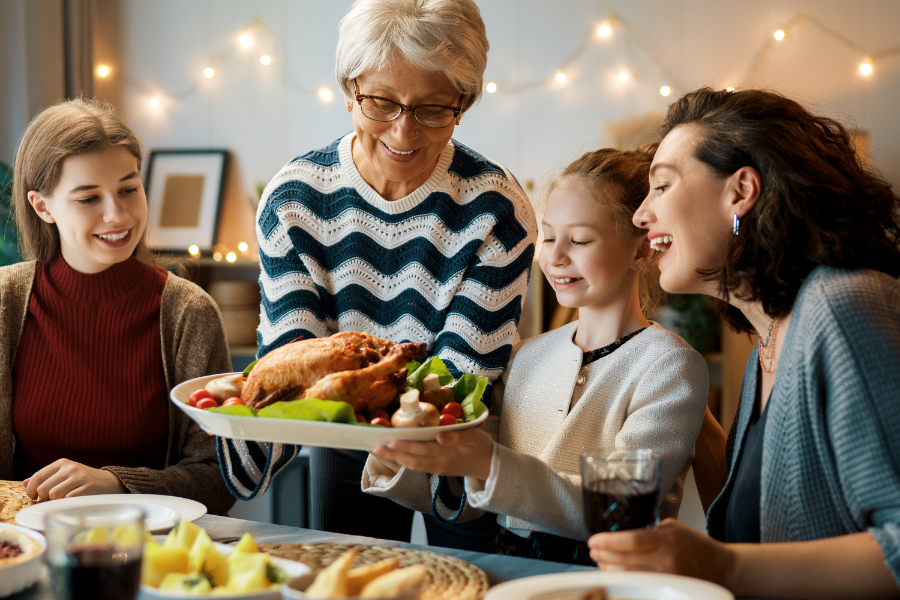
Thanksgiving is basically an all-day cooking marathon, and with that much food moving through one kitchen, it’s easy for food safety basics to slip through the cracks. Nobody wants their holiday remembered for the wrong reasons.
Here’s what actually matters most when it comes to keeping your Thanksgiving table safe, and what symptoms mean it’s time to stop waiting it out.
The short version:
- Thawing your turkey safely takes longer than most people plan for.
- The two-hour rule for leftovers is one of the easiest food safety steps to accidentally skip.
- Symptoms like persistent vomiting, high fever, or signs of dehydration mean it’s time for a visit, not more rest.
- Reheating leftovers to a proper temperature matters just as much as how they were stored.
The Basics That Actually Matter Most
A few food safety habits make the biggest difference on Thanksgiving, more than people usually expect.
Thawing Your Turkey the Right Way
A frozen turkey needs about 24 hours of thawing time in the refrigerator for every four to five pounds. Skipping ahead by leaving it out on the counter creates real risk for bacterial growth.
The Two-Hour Rule for Leftovers
Food shouldn’t sit out at room temperature for more than two hours. With a big spread and a house full of guests, this is one of the easiest rules to lose track of.
Reheating Leftovers Properly
Leftovers should be reheated to a proper internal temperature, not just warmed until they feel hot enough. This matters just as much as how the food was stored in the first place.
Is it safe to thaw a turkey on the counter if I’m in a hurry?
It’s not recommended. Counter thawing lets the outer layers of the turkey sit in the food safety danger zone too long, even if the inside is still frozen.
How long can Thanksgiving leftovers stay in the fridge?
Most leftovers are good for three to four days in the refrigerator, and after that, it’s safer to toss them than take the risk.
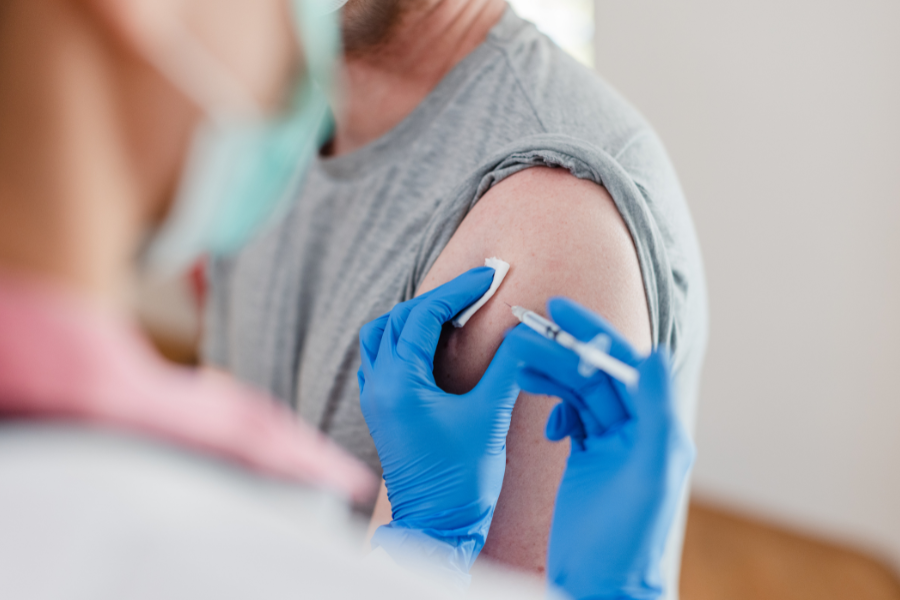
When Symptoms Mean It’s Time for a Visit
Stomach upset after a big holiday meal happens to almost everyone, but there’s a difference between overeating and something more serious like food poisoning.
- Mild symptoms: some nausea or an upset stomach after a big meal usually resolves on its own with rest and fluids.
- Symptoms worth watching: ongoing vomiting, diarrhea, or stomach cramps that don’t improve within a day.
- Symptoms that need a visit: high fever, signs of dehydration, or symptoms lasting more than 24 to 48 hours.
Pro tip: Keep raw and cooked foods on separate cutting boards and utensils throughout the day. Cross-contamination is one of the most common, and most avoidable, sources of foodborne illness at big holiday meals.
Why a Little Caution Goes a Long Way
Nobody wants to be the food safety police at Thanksgiving dinner, but a few small habits, thawing properly, watching the clock on leftovers, keeping raw and cooked foods separate, make a real difference. It’s a small trade for keeping the holiday about family instead of a trip to urgent care.
Dealing With Symptoms After the Holiday Meal?
If nausea, vomiting, or stomach symptoms are sticking around longer than expected, CheckPoint Urgent Care is open and ready to help at our New Iberia, Opelousas, and Crowley locations.