February Is Heart Health Month — Let’s Clear Up the Myths
Heart health is one of the most important parts of overall wellness, yet it’s also one of the most misunderstood. In February, we spotlight heart health to help people recognize symptoms, make informed decisions, and know where to go when something doesn’t feel right.
At CheckPoint Urgent Care, we see how confusion around heart symptoms can lead to unnecessary fear — or worse, dangerous delays in treatment. That’s why we’re breaking down the most common heart health myths and explaining how urgent care fits into the picture.
Common Heart Health Myths — Debunked
Myth 1: “Chest pain always means a heart attack.”
The Fact:
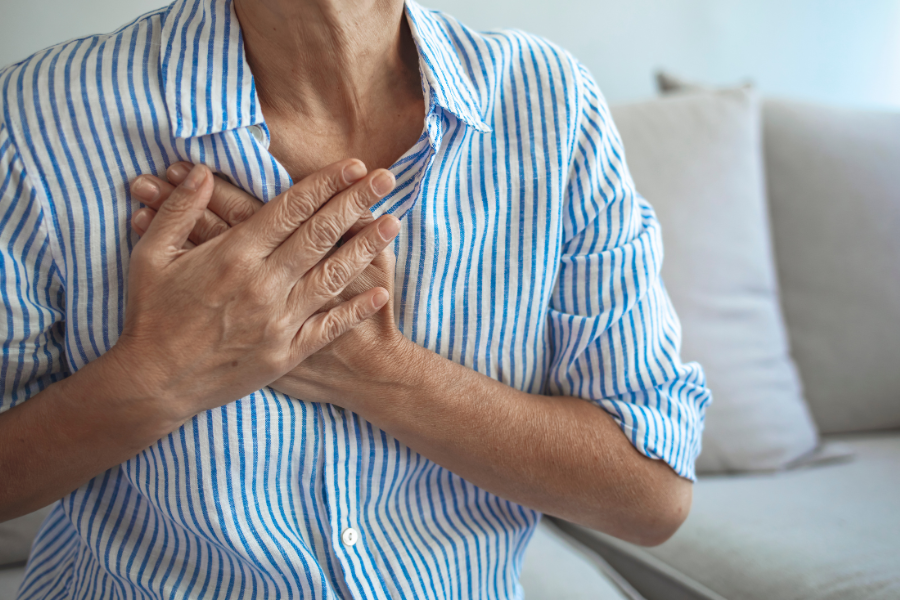
Chest pain can be caused by many conditions — some serious, some not.
While chest pain should never be ignored, many cases result from issues like:
-
Muscle strain
-
Acid reflux
-
Anxiety or panic attacks
-
Respiratory infections
-
Costochondritis (inflammation of the chest wall)
When urgent care can help:
CheckPoint can evaluate non-life-threatening chest discomfort, rule out common causes, and determine if your symptoms need higher-level care.
When to call 911:
-
Sudden, crushing chest pain
-
Pain spreading to jaw, arm, or back
-
Trouble breathing
-
Sweating, nausea, or dizziness
-
Symptoms lasting more than a few minutes
If in doubt, go straight to the ER.
Myth 2: “Only older adults need to worry about heart health.”
The Fact:
Heart disease can affect adults at any age, especially if they:
-
Smoke or vape
-
Have high blood pressure
-
Have high cholesterol
-
Have diabetes
-
Lead a sedentary lifestyle
-
Experience chronic stress
-
Have a family history of heart disease
Younger adults can and do experience heart-related symptoms — and early prevention truly matters.
How urgent care can help:
We can check blood pressure, evaluate symptoms like palpitations or shortness of breath, and recommend next steps or follow-up care.
Myth 3: “If symptoms go away, it wasn’t heart-related.”
The Fact:
Some heart symptoms come and go — and that doesn’t make them harmless.
For example:
-
Mild heart attacks may feel like temporary discomfort.
-
Arrhythmias can cause short episodes of fluttering or dizziness.
-
Early warning signs can be subtle and easily overlooked.
If something feels off, your body is trying to tell you something.
How urgent care can help:
We can evaluate early symptoms, perform a physical exam, and determine if testing or referral is needed.
Myth 4: “Shortness of breath is only a lung issue.”
The Fact:
Heart and lung symptoms often overlap.
Shortness of breath may be linked to:
-
Asthma
-
Respiratory infections
-
Anxiety
-
Fluid buildup due to heart conditions
-
Deconditioning / poor cardiovascular fitness
Urgent care can:
-
Evaluate breathing issues
-
Provide breathing treatments if needed
-
Check oxygen levels
-
Help differentiate between respiratory and non-respiratory causes
If breathing becomes difficult or sudden, emergency care is essential.
Myth 5: “I’d know if I had high blood pressure or high cholesterol.”
The Fact:
You can’t feel high blood pressure or high cholesterol — which is why they’re called “silent” conditions.
Untreated, they can quietly damage your heart over time and increase your risk of:
-
Heart attack
-
Stroke
-
Kidney damage
-
Vision problems
What urgent care can do:
-
Provide blood pressure checks
-
Review symptoms like headaches or dizziness
-
Recommend follow-up testing with your primary care provider
-
Discuss lifestyle habits that help lower risk
Routine screenings matter — especially in February.
When Urgent Care Is the Right Choice
CheckPoint Urgent Care can help with:
-
Mild to moderate chest discomfort
-
Heart palpitations
-
Lightheadedness
-
High blood pressure readings
-
Anxiety-related symptoms
-
Shortness of breath (non-severe)
-
Evaluating early symptoms that “don’t feel normal”
We offer fast, accessible care when something feels off and you’re not sure where to turn.
When You Should Go to the Emergency Room
Heart-related symptoms require emergency attention when they include:
-
Sudden or severe chest pain
-
Pain spreading to the arm, shoulder, jaw, or back
-
Difficulty breathing
-
Feeling faint or passing out
-
Cold sweats, nausea, or vomiting
-
Sudden weakness or changes in vision
-
A fast or irregular heartbeat that won’t slow down
If you think you’re experiencing a heart attack, call 911 immediately.
Take Your Heart Health Seriously This February
Understanding the difference between myths and facts can empower you to make smarter decisions about your health. Whether you’re checking in on mild symptoms or seeking guidance on blood pressure, CheckPoint Urgent Care is here to support you.
Heart health isn’t just a February conversation — it’s something worth paying attention to all year long.
Contact Us
Have questions about symptoms or need to be evaluated?
Visit any of our three CheckPoint Urgent Care locations or contact us today for quick, thorough care.
Find your nearest location here.