Knowing the difference could matter more than you think.
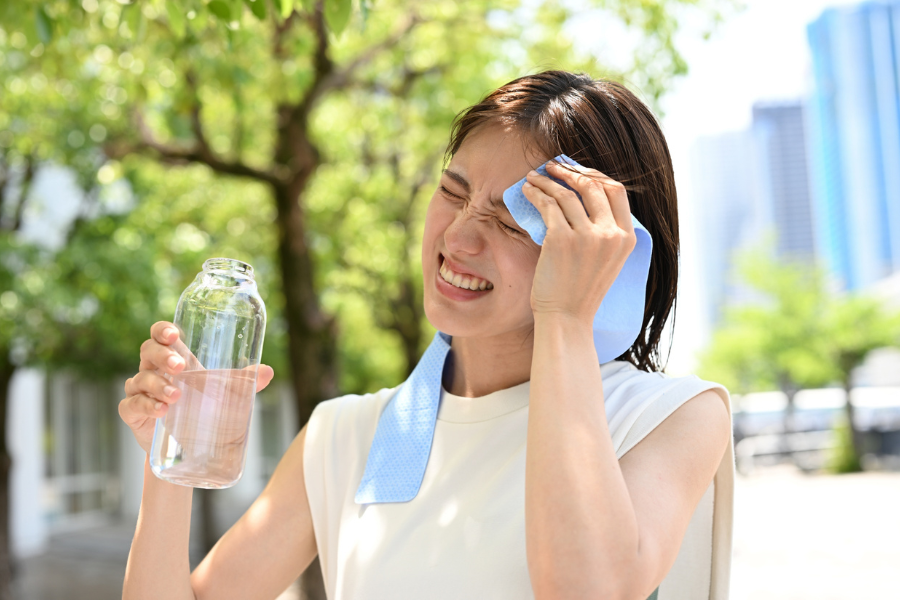
Louisiana summers don’t mess around, and by the time August rolls in, heat-related illness becomes a real concern, not just for kids playing outside but for anyone working, exercising, or just running errands in the heat.
The tricky part is that heat exhaustion and heat stroke get talked about like they’re interchangeable, when they’re really not. Knowing the difference could genuinely make a difference in an emergency.
Here’s what matters most:
- Heat exhaustion and heat stroke are not the same thing, and treating them the same way can be dangerous.
- Heavy sweating is actually a sign of heat exhaustion, not heat stroke.
- Confusion, slurred speech, or hot, dry skin are red flags for heat stroke and mean it’s time to call 911.
- Cooling down quickly matters more than almost anything else once heat illness sets in.
Myth: Heat Exhaustion and Heat Stroke Are Basically the Same Thing
Reality: they’re different conditions, and heat stroke is a true medical emergency while heat exhaustion, though serious, usually isn’t.
Why people believe it: both happen from being out in the heat too long, and the early symptoms can look similar at first glance.
The reality: heat exhaustion usually comes with heavy sweating, weakness, and nausea, and the body is still able to cool itself down. Heat stroke means the body has lost that ability entirely, and body temperature can spike dangerously high, fast.
What to do instead: learn the specific signs of each, because how you respond should look different depending on which one you’re dealing with.
What’s the biggest red flag that separates heat stroke from heat exhaustion?
Sweating, or the lack of it. Someone with heat exhaustion is usually still sweating heavily. Someone with heat stroke often has hot, dry skin because their body has stopped being able to cool itself.
Can heat exhaustion turn into heat stroke if it’s not treated?
Yes, it can progress if someone stays in the heat and doesn’t cool down or rehydrate. That’s exactly why catching it early matters.
Myth: You Just Need to Rest in the Shade and You’ll Be Fine
Reality: shade helps, but it’s often not enough on its own, especially once someone is already showing symptoms.
Why people believe it: getting out of direct sun feels like the obvious first step, and it is a good start.
The reality: cooling the body down actively, think cool water, wet cloths, fanning, matters just as much as getting out of the sun. Passive rest alone can be too slow, especially in Louisiana humidity.
What to do instead: combine shade with active cooling and hydration, and don’t assume rest alone will resolve things quickly.
What’s the fastest way to cool someone down who’s overheated?
Move them somewhere cooler right away, then apply cool, wet cloths to the neck, armpits, and groin, where blood vessels sit close to the skin. Sipping cool water helps too, if they’re alert enough to drink safely.
Myth: If Someone Seems Confused, Just Let Them Rest It Off
Reality: confusion, slurred speech, or a change in mental state during heat exposure is a medical emergency, not a sign to wait it out.
Why people believe it: confusion can look like someone is just tired or overwhelmed, especially after physical activity.
The reality: confusion combined with heat exposure is one of the clearest signs of heat stroke, and it means the brain itself is being affected by rising body temperature. This needs emergency care immediately.
What to do instead: call 911 right away if confusion, slurred speech, or loss of consciousness shows up alongside heat exposure. Don’t wait to see if it passes.
When should heat illness go to the ER instead of urgent care?
Any time there’s confusion, fainting, a very high body temperature, or hot dry skin, call 911 or head straight to the ER. Urgent care is the right call for milder symptoms like heavy sweating, weakness, or nausea without confusion.
Why This Matters More Than People Think in Louisiana Summers
Heat illness isn’t just a hiking or sports concern. Plenty of cases we see come from yard work, outdoor jobs, or just being outside longer than planned on a brutally humid day. Knowing these signs isn’t just useful information, it’s the kind of thing that can genuinely prevent a bad afternoon from turning into an emergency.
Dealing With Heat-Related Symptoms?
If you’re feeling overheated, dizzy, or unwell after time in the heat, CheckPoint Urgent Care can help right away at our New Iberia, Opelousas, and Crowley locations. For confusion or a very high body temperature, call 911 or go to the nearest ER.